One word can change its meaning fast. “Fade” is a perfect example. You may see it in a text, TikTok comment, meme, rap lyric, or everyday conversation and wonder what the person really means. Is it about a fight? Ignoring someone? Or just a haircut?
In slang, fade can refer to a fight or physical confrontation, especially in phrases like “catch a fade” or “run the fade.” It can also describe gradually disappearing or pulling away, depending on the sentence. The word also has a common non-slang meaning as a type of haircut.
That is why context matters. “I got a fade” usually means a haircut, while “You want to catch a fade?” suggests a confrontation. In online conversations, the meaning can also connect with slowly disappearing or distancing yourself from someone.
Let’s break down the fade meaning in slang, texting, social media, and everyday talk so you can understand it without guessing.
Definition and Meaning
What Does “Fade” Mean in Slang?
In slang, fade commonly means a fight, physical confrontation, or challenge to fight someone. This meaning is especially common in phrases such as “catch a fade” and “run a fade.”
However, fade can have other meanings depending on context:
- Fade = a fight or confrontation: “He wants to run a fade.”
- Fade = slowly disappear or pull away: “She started to fade from the group chat.”
- Fade = a hairstyle: “I got a fresh fade today.”
So, the sentence around the word usually tells you what fade means.
Full Form of FADE
FADE does not have a standard full form. It is not an acronym or abbreviation. It is simply the English word “fade.”
When people search for the “fade full form,” they are usually asking about its slang meaning rather than an actual expanded form.
In slang:
Fade = fight, confrontation, or, in some contexts, slowly disappearing or distancing yourself.
The exact meaning depends on how the word is used.
Defining the Phrase and Its Core Meaning
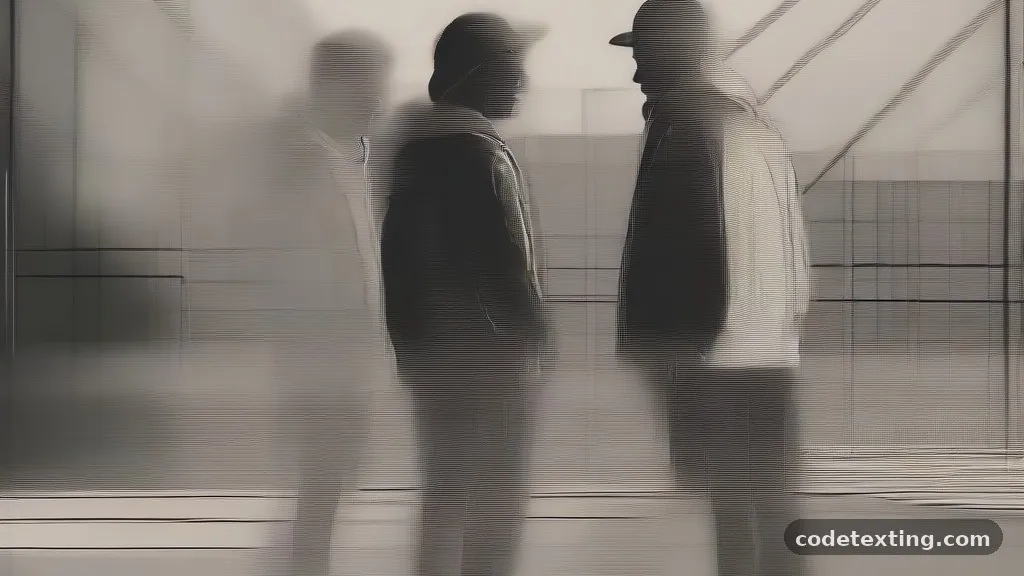
At its simplest level, the expression “run my fade” is a slang way of challenging someone to a physical fight. When someone uses this phrase, they are essentially telling another person that they are ready for a confrontation.
It is a bold, aggressive statement that leaves very little room for misinterpretation. While it might sound like a cryptic code to those unfamiliar with street vernacular, the intent is almost always to signal a desire for a physical altercation.
To understand the term better, you have to look at the individual components. The “fade” part of the phrase is deeply rooted in African American Vernacular English. Historically, it refers to the physical act of fighting or a “scrap.”
When someone says they want to “run” a fade, they are inviting the other person to engage in that struggle. You will often see it used in heated arguments on platforms like Twitter or TikTok, where users are posturing or showing off their toughness.
It is important to note that the usage is rarely subtle. It is an invitation to violence or a declaration of dominance. If you see this in a text message or a comment section, the person on the other end is likely feeling very confrontational.
It is not a phrase used for friendly banter or lighthearted teasing. It is a serious escalation that usually marks the end of a polite conversation. Understanding this helps you recognize when a situation has moved beyond simple disagreement into something much more intense.
The History and Evolution of the Term
The origins of the term “fade” as a synonym for a fight are not entirely documented in academic textbooks, but the term has a long history in urban culture. For decades, the word “fade” has been used in various ways.
In the context of a haircut, a fade is a very popular style where the hair is tapered closely to the skin. However, in the world of street slang, the word took on a secondary, more aggressive life.
Over time, the phrase evolved from just “catching a fade” to “running a fade.” “Catching a fade” implies that you were on the receiving end of a beating. “Running a fade” implies that you are the one initiating the action.
This shift reflects how language adapts to give people more specific ways to express their roles in a conflict. It moved from the streets into music, specifically hip-hop and rap culture, where artists used the term to project an image of strength and fearlessness.
As the internet became the primary hub for human interaction, the term migrated from local neighborhoods to the global stage. Social media platforms acted as a catalyst, allowing regional slang to spread across borders in a matter of days. Today, you can find people from all over the world using the phrase, even if they have no personal experience with street fighting.
It has become a digital badge of toughness that people wear to look intimidating in online spaces. This evolution shows how quickly language can change when it is fueled by digital connectivity and pop culture trends. You can learn more about the evolution of language through the Oxford English Dictionary which tracks how words and phrases shift over time as they enter the public consciousness.
Usage in Digital and Social Contexts
In the modern digital landscape, you will see this phrase pop up in places you might least expect. While it started in face-to-face interactions, it now lives primarily in comment sections, direct messages, and gaming lobbies.
In a gaming environment, for example, a player might say, “You keep camping, I’m going to run your fade.” In this context, it is a way of expressing extreme frustration with another player’s style of play.
In social media, the phrase is often used as a form of “keyboard warrior” posturing. Someone might post a video of themselves or someone else and tell their followers to come and “run the fade.” In these cases, it is often performative.
The person isn’t actually looking for a fight; they are looking for engagement, likes, and clout. It is a way to signal that they are not someone to be messed with, even if the reality is much more mundane.
Let’s look at a few examples of how this sounds in natural dialogue:
Person A: “I saw you talking trash about my crew on your story.”
Person B: “Yeah, what are you going to do about it?”
Person A: “If you keep it up, we are going to run your fade.”
In this dialogue, the phrase serves as a clear warning. It is the final line before a physical confrontation becomes a real possibility.
It is not a request for a debate; it is a statement of intent. When you see this used in text, it is almost always a sign that the conversation has reached a breaking point.
Addressing Common Misconceptions and Clarifications
One of the biggest misconceptions about this phrase is that it has something to do with the actual haircut. People who are not familiar with urban slang often get confused by the word “fade” and assume it refers to grooming.
This is a classic example of how slang can be misinterpreted by those outside of the cultural loop. Another common mistake is thinking that “running a fade” is a friendly or neutral term.
Some people might try to use it ironically among friends, but this is a risky move. Because the term is so heavily associated with violence, using it in a casual or joking way can lead to serious misunderstandings.
If you say it to someone who doesn’t know you well, they might take it as a genuine threat. This can lead to unnecessary conflict or make you look like you are trying too hard to be tough.
It is also important to clarify that this is not a term you should use in any situation where you want to be taken seriously as a professional or a mature adult. It carries a heavy connotation of aggression that is generally frowned upon in polite society. If you find yourself in an argument, using this phrase will almost certainly escalate the tension rather than resolve it.
Always be aware of your audience and the environment before you decide to use such loaded language. Context is everything when it comes to slang, and this term is particularly sensitive to the environment in which it is spoken.
Similar Terms and Alternatives
There are many ways to express anger or a desire for a fight, and “run my fade” is just one of many options in the slang lexicon. Depending on the region and the generation, you might hear other phrases that mean essentially the same thing. Some common alternatives include “catching hands,” “throwing hands,” or “getting into a scrap.”
Here is a quick comparison of how these terms overlap:
| Term | Meaning | Tone |
|---|---|---|
| Run a fade | Challenging someone to a fight | Aggressive/Direct |
| Throwing hands | Engaging in physical combat | Descriptive |
| Catching hands | Getting beaten up | Defensive/Warning |
| Square up | Getting into a fighting stance | Confrontational |
These terms all serve the same purpose: to signal that physical violence is on the table. However, “run my fade” has a specific, modern, and slightly more “internet-native” feel to it.
While “throwing hands” sounds like something you might hear in a classic action movie, “run my fade” sounds like something you would see in a viral TikTok comment section or a heated Twitter thread. Choosing the right term depends entirely on the vibe you want to project, though it is usually best to avoid all of them if you are looking to keep the peace.
How to Respond When Someone Says It
If someone actually says this to you, your response should depend entirely on the context and your relationship with that person. If you are in a professional setting, you should treat it as a serious breach of conduct. If you are in a casual or online setting, you have a few different options.
For a professional response, you should immediately de-escalate. Say something like, “I think we should keep this conversation respectful and focus on the issue at hand.”
Do not acknowledge the slang or try to “win” the argument by using slang back. Stay calm and collected.
If you are in a casual setting and feel safe, you might choose to ignore it or use humor to deflate the situation. If you feel that the person is being performative, you could say, “We don’t need to do all that, let’s just talk it out.” This puts the ball back in their court and forces them to act like a reasonable human being.
If you feel threatened, the best response is no response. Block the person, leave the area, or report the behavior if you are on a social media platform.
Never feel like you have to prove your toughness by engaging in a fight. Real strength is knowing when to walk away from a situation that has absolutely no positive outcome for anyone involved.
Regional and Cultural Variations
Language is never static, and slang is the most fluid part of any language. While “run my fade” is widely understood in the United States, its usage can vary significantly depending on where you are. In some cities, the term might be used daily in casual conversation, while in others, it might sound completely foreign or outdated.
In some regions, you might hear people use variations like “fade you” or “caught a fade.” These are just regional tweaks to the same core concept.
In international contexts, the phrase has traveled through music and movies, but it is still very much an American urbanism. If you go to a different country, you might find that the local slang for a fight is completely different, even if the sentiment is the same.
The internet has acted as a great equalizer, but regional identity still matters. When you see someone using this term online, you are seeing a snapshot of a specific subculture. It is a reminder that even in a digital world, our language is shaped by our local experiences and the communities we belong to.
Always remember that slang is a living thing. What is popular today might be gone tomorrow, replaced by a new phrase that better captures the mood of the moment.
Usage in Online Communities and Dating Apps
On platforms like Tinder or Hinge, you might occasionally see this phrase in someone’s bio. Usually, it is meant to be a joke, a way of signaling that they are “tough” or “sassy.”
However, it can also be a red flag. If someone’s profile is filled with aggressive language or threats of violence, it is usually a good sign that they are not the type of person you want to match with.
In gaming communities, the term is used much more frequently. In competitive games like Call of Duty or fighting games, the “fade” is a standard part of the trash-talk repertoire. It is almost expected in those environments.
If you are a gamer, you have probably heard it a dozen times. In these spaces, it is often just noise—a way to vent frustration after a bad round.
The key to dealing with this in online communities is to recognize the intent. Is the person actually trying to find you in real life, or are they just being a jerk because they lost a game? 99% of the time, it is the latter.
Don’t take it personally. If you find yourself getting bothered by it, just mute the person and move on. Engaging with someone who is looking to “run a fade” online is a waste of your time and energy.
Hidden Meanings and Professional Suitability
Is there a hidden, offensive meaning to this phrase? Not necessarily, other than the obvious invitation to violence.
However, because it is rooted in specific urban subcultures, some people might view its usage by those outside that culture as cultural appropriation or simply cringe-worthy. Using slang that isn’t part of your natural vocabulary often comes across as forced or disingenuous.
When it comes to professional communication, this phrase is a hard “no.” There is no scenario in a workplace, a business meeting, or an email to a client where this term is appropriate. It is unprofessional, it suggests a lack of emotional regulation, and it can be seen as a direct threat to the safety of your colleagues.
If you are in a situation where you are frustrated with a coworker, use professional language to express your concerns. Phrases like “I would like to discuss our differences” or “I am not satisfied with how this project is being handled” are much more effective and won’t get you fired.
Always keep in mind that your digital footprint is permanent. If you are using this type of language on social media, future employers or colleagues might see it. It is always better to be known for your clear communication than for your ability to use the latest aggressive slang.
Is this phrase only used in
6. Is this phrase only used in America?
It originated in American urban culture, but thanks to the internet, it is now understood by people all over the world who consume American media and social content.
7. What is the difference between “catching a fade” and “running a fade”?
Catching a fade” means you were the one who got beaten up. Running a fade” means you are the one who is looking to start the fight.
Conclusion
Understanding slang like “run my fade” is a window into the way modern communication has shifted. It is a reminder that our words carry weight, and the context in which we use them is just as important as the words themselves. While it might be tempting to pick up these phrases to sound more relevant or tough, it is always better to prioritize clear, respectful, and calm communication.
You don’t need to be a part of every trend to be understood. By recognizing what these terms mean and knowing when to use them—or, more importantly, when to avoid them—you can navigate social media, gaming, and real-life conversations with much more grace.
Keep your cool, choose your words wisely, and remember that real strength is rarely found in the middle of an unnecessary fight. Stay informed, stay safe, and keep your communication focused on what really matters.
Discover More:-
- Namaste Meaning: Spiritual Significance & Cultural Usage Guide for …
- Habibi Meaning | The Real Definition, Origin and Why Everyone Is …
- What Does Ohio Mean in Gen Alpha Slang? – CodeTexting.com
Related slang: learn what murk means in texting.
Related slang: learn what slime means in texting.
Frequently Asked Questions
Does “run my fade” always mean a physical fight?
Most of the time, yes. It is a direct challenge to a fight. Occasionally, it is used as a joke or a way to boast, but you should always treat it as a potential threat.
Is it safe to use this term with friends?
It depends on your friend group, but generally, it is risky. Even among friends, the word implies violence, which can lead to misunderstandings or make you seem unnecessarily aggressive.
Why do people use this phrase online?
It is often used for “clout” or to project an image of toughness. It is a way for people to show that they are not afraid of conflict, even if they have no intention of actually fighting.
Can I use this in a professional email?
Absolutely not. It is highly unprofessional and can be interpreted as a threat, which could lead to severe consequences at work.
What should I do if someone says this to me?
If you feel safe, ignore it or use humor to de-escalate. If you feel threatened, remove yourself from the situation and block the person. Never feel obligated to respond to a threat.
What does FADE mean in texting?
In slang, fade commonly means a fight, physical confrontation, or challenge to fight someone. Now you know the meaning. The examples below show the tone, because with slang, tone is half the battle.
How do you use FADE in a sentence?
Do not overthink it. FADE is casual, so drop it in friendly chats the way the examples show. Never in a work email.
Why do people say FADE instead of plain English?
Speed and vibe. FADE says in a syllable what a full sentence cannot, and it signals you are in on the joke.
Is FADE rude or offensive?
Depends on the room. FADE is casual slang, so it can sound rude to strangers or in formal settings. With friends, it is usually just playful.
How should you reply when someone says FADE?
Match their energy. If a friend drops FADE jokingly, laugh it off or fire back with your own slang. If a stranger says it coldly, do not engage.




2 thoughts on “Fade Meaning Slang | What It Really Means in Text, Social Media & Everyday Talk in 2026”