Have you ever been scrolling through your favorite social media app or chatting with a friend when you saw the acronym NFT pop up, but it had nothing to do with digital art or blockchain technology? If you are feeling a bit confused, you are definitely not alone. While the term is most famous in the world of finance, it has taken on a life of its own in casual conversations, texting, and online gaming.
Whether you are a student, a gamer, or just someone trying to keep up with the latest internet trends, understanding how language evolves is key to staying connected. In this article, we will break down exactly what people mean when they use this acronym in daily life, why it causes so much confusion, and how you should react when you see it in your inbox. Let us clear up the mystery together.
Defining the Term and Its Common Usage
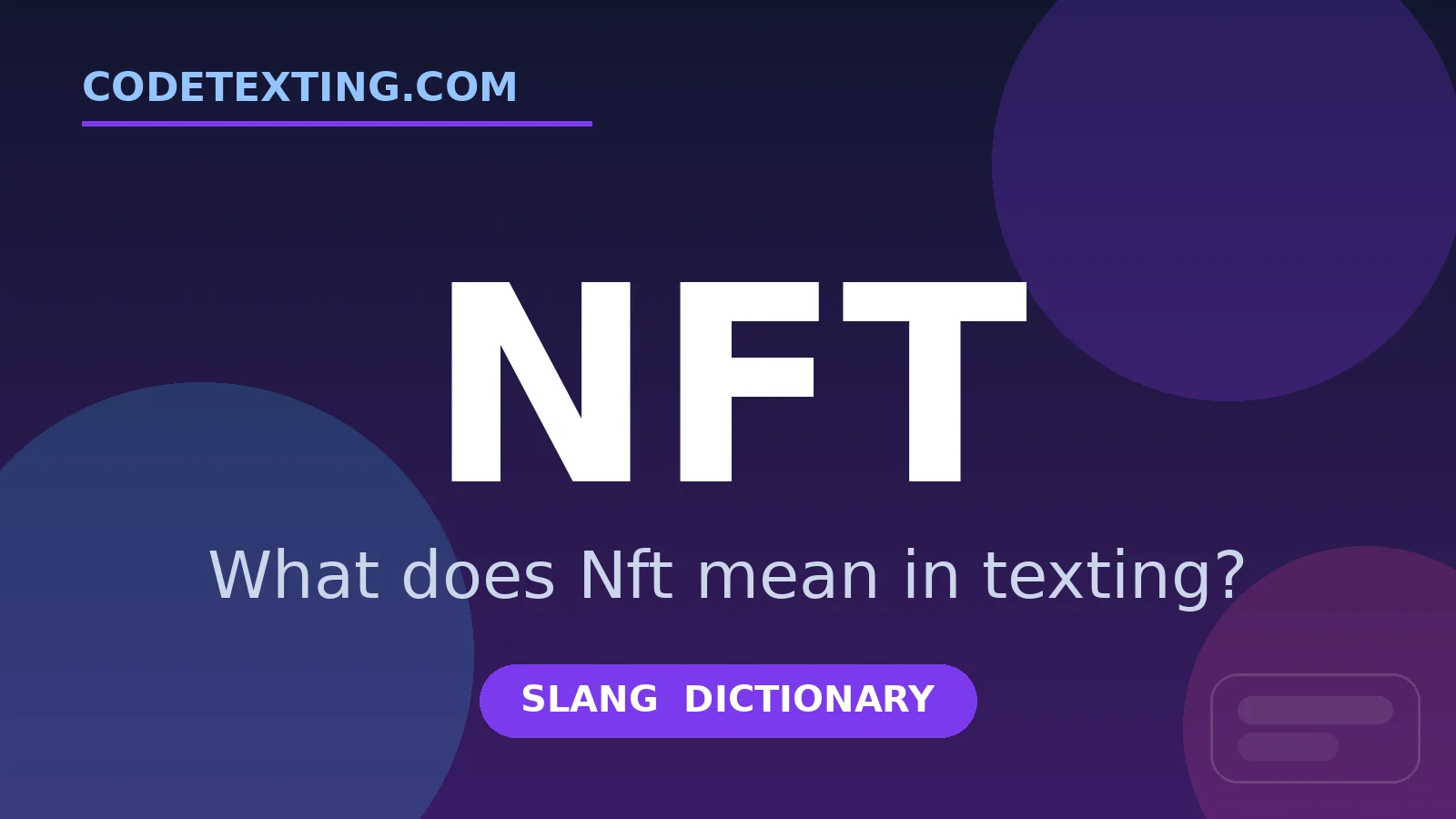
In the world of technology, NFT officially stands for a non-fungible token, which refers to a unique digital asset verified using blockchain technology. However, when you see this term in a text message, a comment section on Instagram, or a fast-paced game of Roblox, it often takes on a completely different meaning.
In many slang-heavy environments, people use NFT as a shorthand for Nice Fucking Try. This is a sarcastic way to call out someone who is being manipulative, deceptive, or simply failing at a joke or a negotiation.
The shift from a technical term to a slang expression is a classic example of how the internet recycles language. When a word or acronym becomes highly visible in the media, it eventually enters the lexicon of younger generations who use it to express frustration or humor.
For example, if a friend sends you a message asking to borrow money for the fifth time this month, you might reply with “NFT” to signal that you see right through their attempt. It is a sharp, snappy way to shut down a conversation without having to write a long paragraph explaining why you are annoyed.
Real-life usage often depends on the tone of the relationship. If you are close with someone, using this term might be a lighthearted way to tease them. If the relationship is strained, it can come across as aggressive or dismissive.
You will find it most often in spaces where brevity is valued, such as Twitter feeds, Discord servers, or quick-fire text exchanges. Understanding that the meaning changes based on context is the most important part of becoming fluent in modern internet slang.
Background and Evolution of the Acronym
The acronym NFT has a fascinating history that tracks alongside the rise of the internet itself. While the technical definition became widely known around 2021 when the market for digital collectibles exploded, the sarcastic “Nice Fucking Try” usage existed in various forms long before that.
People have always looked for ways to abbreviate common phrases to save time while typing on mobile devices. Before smartphones, we used T9 texting where every character was precious, and that habit of shortening phrases has stuck with us.
As the technical term for digital assets gained mainstream attention, it ironically provided the perfect cover for the slang version. Because the term is everywhere in news headlines, it became a bit of a meme. People started using it ironically.
If someone made an absurd claim, a user might reply with “NFT” to mock the trendiness of the acronym while simultaneously insulting the person’s attempt at a lie. This dual usage is what makes it confusing for people who are not deeply embedded in internet culture.
Over time, this usage has moved from niche gaming forums to mainstream platforms like TikTok and Instagram. It is now common to see it used in comment sections where someone is trying to sell a product or promote a scam. By replying with the slang version, users are effectively telling the poster that their scheme is transparent and unwelcome.
This evolution shows how language adapts to serve the needs of the community, moving from a complex financial concept to a punchy, two-second retort that fits perfectly into a busy digital life. You can learn more about the formal origins of the technology at the National Institute of Standards and Technology if you are interested in the technical side of the term.
Usage in Various Contexts
The way you use this term depends entirely on where you are and who you are talking to. In gaming communities, it is a staple of competitive play. If a teammate tries to trick the enemy but fails miserably, you might see “NFT” in the chat.
It is a way to acknowledge the effort while highlighting the failure. In a texting context, it is often used between friends to call out a bad excuse.
Consider this dialogue between two friends:
Person A: “I forgot to come to your party because my cat hid my keys.”
Person B: “NFT. We both know you just fell asleep playing games.”
In this case, the acronym serves as a way to hold the friend accountable for their laziness. It is not necessarily meant to be deeply offensive, but it is certainly direct.
On social media, you might see it used in response to clickbait headlines or influencers who are clearly exaggerating their lifestyle. If someone posts a photo with a caption that does not match reality, a commenter might drop the acronym to signal their skepticism.
It is also used in dating apps. If someone sends a line that is clearly copied and pasted from a generic pickup artist guide, a savvy user might reply with “NFT” to let them know the tactic is not working. It is a way to signal that you are not easily fooled.
Because it is short, it prevents the user from having to spend too much energy engaging with someone who is not being genuine. The beauty of this slang is that it conveys a whole sentence of judgment in just three letters.
Common Misconceptions and Clarifications
The biggest misconception is that every time you see the letters, someone is talking about digital art or crypto. This leads to many awkward moments.
Imagine someone talking about their new investment portfolio and a friend responds with “NFT” thinking they are being clever, but the friend actually meant the financial asset. This mismatch in definitions is the primary cause of confusion.
Another misconception is that the slang version is always meant to be hostile. While it is certainly a “call-out” word, it is not always intended to start a fight. Sometimes it is used in a playful, banter-filled way between people who share a similar sense of humor.
If you are not sure how the other person uses the term, it is best to avoid using it until you understand their communication style. If you use it with a stranger, they might be completely baffled, or worse, they might interpret it as a professional comment about their business.
It is also important to clarify that the slang version contains a swear word. This makes it unsuitable for any situation where you are expected to be polite or professional.
If you are a parent or a teacher, you should be aware that children might be picking up this acronym from online videos or games without fully understanding the vulgarity behind the “F” in the phrase. Being aware of these nuances helps you navigate conversations with different age groups and social circles effectively.
Similar Terms and Alternatives
If you want to express the same sentiment without using a term that might be misunderstood, there are plenty of other options. The English language is full of ways to call out a lie or a weak attempt at manipulation. Depending on the intensity you want to convey, you might choose a different phrase entirely.
Here is a quick breakdown of alternatives to consider:
* Nice try: This is the polite, safe-for-work version of the slang. It carries the same meaning but removes the vulgarity.
* Cap: This is a popular slang term that means someone is lying or exaggerating. It is very common among younger users.
* That is a stretch: This works well when someone is presenting an excuse that is clearly unbelievable.
* I see through that: This is a direct, clear way to communicate that you are not buying what they are selling.
* Yeah, right: A classic, timeless way to express disbelief.
Using these alternatives can save you from the confusion that comes with the acronym. If you are in a professional environment, “Nice try” is almost always the best choice.
If you are hanging out with friends, “Cap” might fit the vibe better. Having a variety of expressions in your vocabulary allows you to choose the right level of intensity for any given situation, ensuring your message is received exactly how you intended it.
How to Respond to This Term
If someone sends you “NFT” in a message, how should you react? Your response should depend on whether they are using it in the financial sense or the slang sense.
If they are talking about crypto, you can engage with questions about the market or the project they are interested in. They are using it in the slang sense, you have a few ways to handle it.
If you are feeling casual and want to keep the banter going, you could reply with “Caught me” or “Fair enough.” This shows that you are a good sport and can handle a bit of teasing.
If you are feeling annoyed and want to shut down the conversation, you can simply ignore it. Not every comment requires a response, and sometimes silence is the best way to signal that you are not interested in continuing a conversation that has turned sarcastic or critical.
If the person is being rude, you can respond with a question like, “What do you mean by that?” This forces them to either back down or explain their rudeness. It is a great way to maintain your boundaries.
If you are worried about your privacy, you should be careful about who you are chatting with, as slang can often be a gateway to more aggressive behavior in online spaces. Always prioritize your comfort and safety when interacting with people who use confrontational language.
Regional and Cultural Differences
The use of this acronym as slang is largely driven by internet culture, which makes it somewhat global. However, the exact way it is used can vary depending on where you are.
In countries where English is the primary language, the usage is quite consistent. In non-English speaking countries, the acronym might not be used at all, or it might be used specifically to refer to the financial asset rather than the slang phrase.
Gaming communities, which are highly international, the term is used across borders. A player in Japan might be playing with a player in Brazil, and both will understand “NFT” as a way to call out a bad play.
This is because gaming has its own shorthand that transcends traditional language barriers. However, if you are in a local setting, you might find that older generations have no idea what you are talking about.
It is also worth noting that slang evolves at different speeds in different regions. In major urban centers, new slang terms appear and disappear rapidly. In more rural areas, these terms might take longer to catch on, or they might be used differently.
Always be mindful of your audience. If you use a term that is popular on Twitter, do not be surprised if your grandparents or coworkers do not understand it. Language is deeply tied to the specific subcultures we participate in, and what feels like common knowledge in one group can be a complete mystery to another.
Usage in Online Communities and Dating Apps
On platforms like Tinder or Hinge, you might see the acronym used in bios or opening messages. Sometimes, people use it to signal that they are into crypto, but other times, they are using it as a filter.
If someone writes “No NFTs” in their bio, they are likely trying to weed out people who are obsessed with crypto or people who are trying to promote scams. Understanding this distinction is vital for your dating life.
In gaming, the term is almost exclusively used to mock. If you are playing a competitive game, you will likely see it used in the chat box after a failed maneuver. The best way to handle this is to ignore it.
Engaging with someone who is being toxic only encourages them to continue. If the behavior becomes harassment, use the reporting tools provided by the platform. You do not have to put up with negativity while you are trying to enjoy your hobby.
Twitter is another place where the term is used constantly. Because of the character limit, people love acronyms. You will see it in reply threads where users are debating politics, movies, or sports.
It is a way to signal “I disagree with your argument” in a very dismissive way. When you see it there, try not to take it personally.
It is often just a reflex for people who are looking for a quick reaction. Remember that the internet is full of noise, and you have the power to decide which conversations are worth your time and energy.
Hidden or Offensive Meanings
It is crucial to talk about the “F” word embedded in this slang. Because it stands for a vulgar phrase, it is inherently inappropriate for children and professional settings.
Some people might use it without realizing how offensive it can be to others. For example, if you are in a diverse group or a formal setting, using an acronym that contains a swear word can make you look unprofessional or disrespectful.
The tone is everything. When you use this term, you are making a choice to be confrontational. If you are not comfortable with that, it is best to avoid it.
There is also the risk of being misinterpreted. Because the term is so heavily associated with the financial market, using it as an insult can lead to confusion. People might think you are making a weird comment about their financial status or their hobbies.
Always consider the impact of your words. If you are not sure if a joke will land well, it is better to skip it.
There are plenty of other ways to express yourself that do not involve potential misunderstandings or offensive language. Being a clear and respectful communicator is a skill that will serve you much better in the long run than knowing the latest slang terms.
Suitability for Professional Communication
To put it simply, never use this acronym in a professional email, a Slack message to your boss, or a LinkedIn post. Even if you have a very casual relationship with your colleagues, it is a risk that is not worth taking. Professionalism is about clarity and respect, and using slang that is rooted in vulgarity can undermine your credibility.
If you are trying to tell a coworker that their idea is not going to work, use professional language. Instead of saying “NFT,” say “I think there might be a few challenges with that approach” or “Let’s explore some other options.” This is much more effective and keeps the conversation focused on the work rather than the personality.
If you see a coworker using this term, do not feel pressured to join in. You can maintain your own professional standards regardless of what others are doing. If you are a manager, you might want to have a quiet word with anyone who is using inappropriate language in team chats.
Setting a standard for communication helps everyone feel more comfortable and focused on the job at hand. Remember that your digital footprint is permanent, and you want it to reflect your best self.
Conclusion
Navigating the nuances of modern language can be tricky, especially when acronyms like NFT have multiple, competing meanings. Whether you encounter it in a crypto forum, a heated gaming match, or a casual text from a friend, the key is to look at the context. By understanding that the term can be a technical reference or a sarcastic slang expression, you can avoid misunderstandings and choose your own words carefully.
Remember that while slang is a fun and efficient way to communicate, it is not always the right choice for every situation. Being aware of your audience and the potential for confusion will help you stay a clear and effective communicator in all your digital interactions. Keep these tips in mind, stay curious about how language evolves, and always prioritize respect in your conversations.
Discover More:-
- YFM Meaning Slang | What Does YFM Really Mean in Text …
- Gas Slang Meaning | What Does “Gas” Mean in Text, TikTok …
- What Does “Fit” Mean in Text, TikTok & Social Media? in 2026
- KMS Meaning Slang | What It Really Means in Text, Why …
Frequently Asked Questions
Does NFT always mean the financial asset?
No, it depends on the context. In casual conversation, texting, or gaming, it often stands for “Nice Fucking Try.”
Is it safe to use this term in a text to a friend?
It is safe if you are close and know they will understand the slang. If they are not familiar with internet trends, they might be confused.
Why do people use this acronym instead of just saying the phrase?
It is faster to type, and it fits the trend of using abbreviations in digital communication. It also adds a layer of sarcasm.
How should I respond if I don’t understand what someone means by NFT?
Simply ask, “What do you mean by that?” It is the best way to clarify the intent without making assumptions.
Is this term appropriate for work?
No, it is definitely not suitable for professional environments due to its vulgarity and informal nature.
What does NFT mean in texting?
In the world of technology, NFT officially stands for a non-fungible token, which refers to a unique digital asset verified using blockchain technology. Simple as that. Keep reading for real examples of how people actually say it.
How do you use NFT in a sentence?
The conversation samples in this article are your cheat sheet. See where NFT lands in a sentence, then try it yourself.
Where did NFT come from?
NFT started in online chats and comment sections, then went mainstream. Check the origin section for the details.
Is NFT rude or offensive?
On its own, NFT is not a swear, but tone does the heavy lifting. Said coldly to the wrong person, any slang stings. Keep it friendly.
Where do people use NFT the most?
Mostly DMs and comment sections. NFT is built for fast, casual typing, so it thrives wherever people chat quickly.