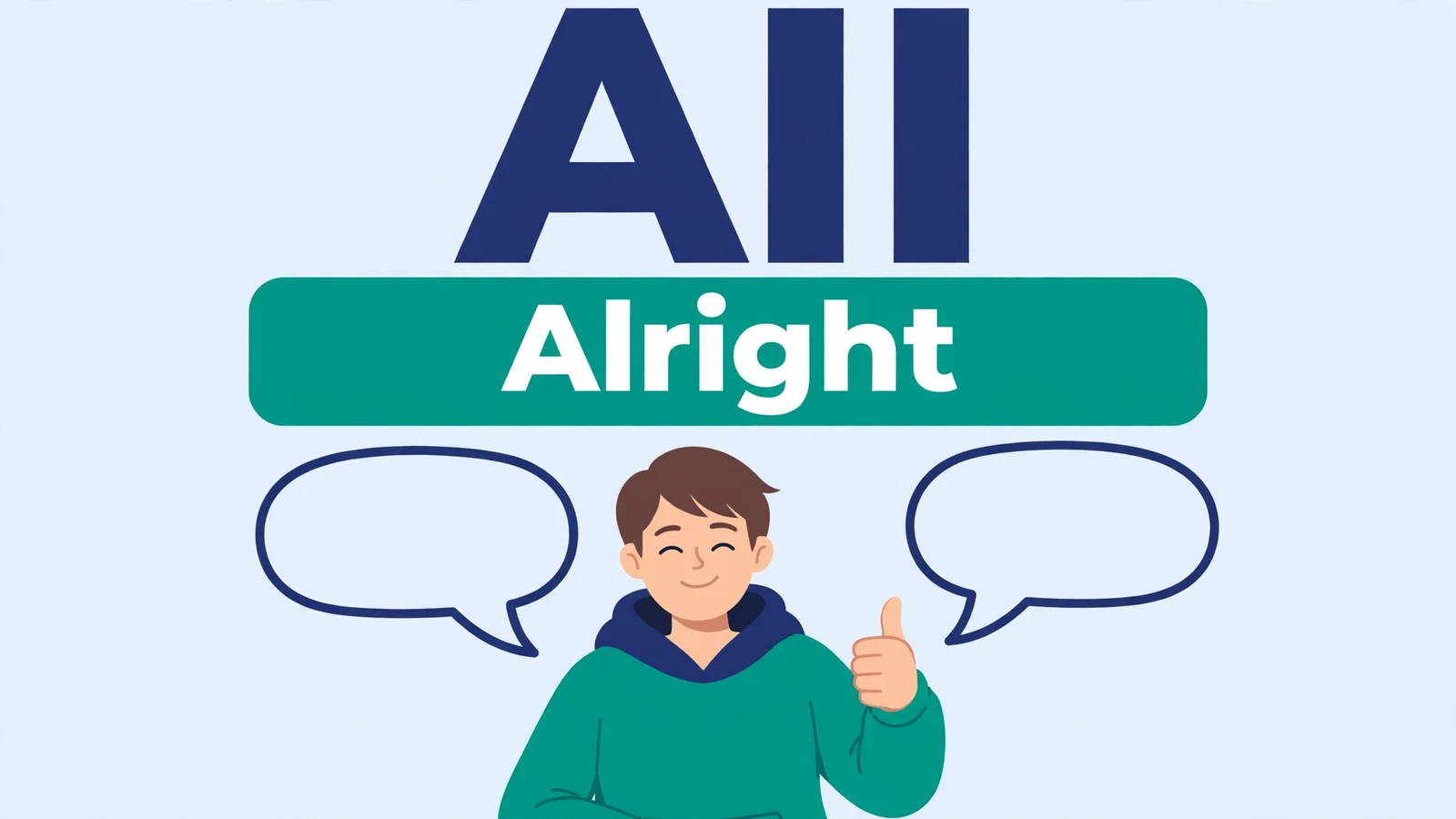
You sent your friend the plan for tonight, and the entire reply was three letters: “aii.” No emoji. No extra words. Just that. 😶
Now you’re reading into it. Are they happy about the plan? Annoyed? Just busy? Tiny replies like this cause more overthinking than almost anything else in a chat.
Here’s the short answer: AII means “alright,” as in “okay” or “sounds good.” It’s a fast, casual way to agree, confirm a plan, or acknowledge a message without typing the full word.
We decode texting slang like this every day at CodeTexting, and AII is one of the simplest terms people stress over. The word is almost always friendly. All the confusion comes from how short it is.
In this guide you’ll learn the aii meaning in text, how its tone changes, how it compares to aight, ight, and alr, and how to reply when it lands in your chats.
📌 What Does AII Mean in Text?
AII is a short, casual spelling of Alright.
It works like a quick nod inside a conversation. When someone replies “aii,” they’re saying “got it, we’re good” without spending a full sentence on it. It can agree with a plan, confirm they understood you, or gently close a topic.
✅ Quick definition: AII means “alright” or “okay.” It is used in texts and chats to agree, confirm, or acknowledge something quickly, with a calm and relaxed tone.
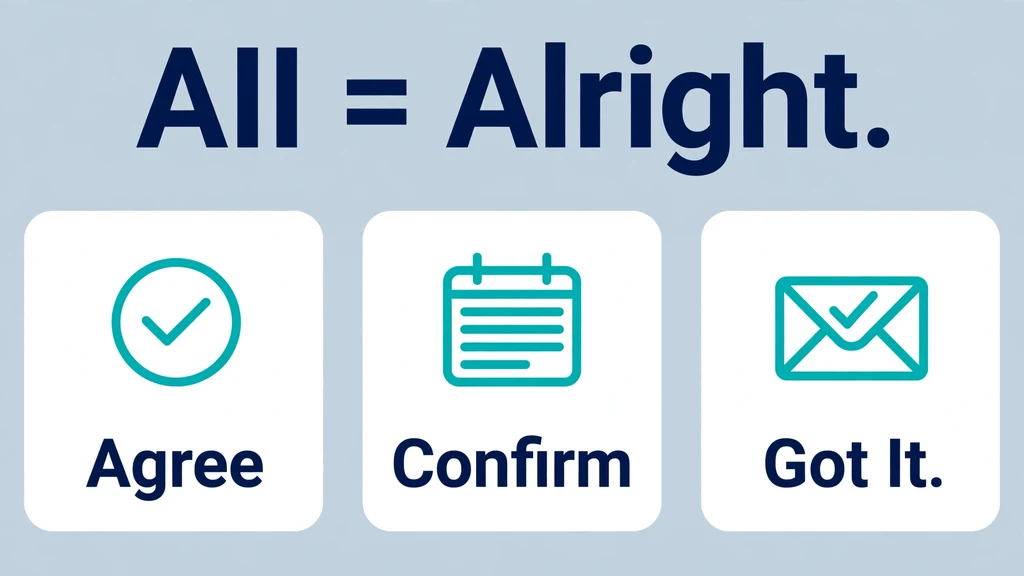
AII belongs to a whole family of spellings for the same spoken word. Say “alright” quickly and casually, the way people do in real conversation, and you land close to “aight.” Write that sound down in different ways and you get aight, ight, aiight, and aii. Different spellings, same word underneath.
That spoken root is also why AII feels warm instead of cold. It doesn’t just shorten the letters of “alright.” It copies the sound of someone relaxed saying it out loud.
💡 AII Meaning in Easy Words
Think of it like this:
👉 A plan or message arrives
👉 You agree, and it’s no big deal
👉 Instead of a full sentence, you nod with three letters: aii
So in the simplest words:
AII = “Okay, sounds good” 👍
It’s the texting version of the easy nod you give a friend who says “meet at seven.” No excitement, no drama, just a calm “we’re on the same page.” If you read every “aii” as a relaxed nod, you’ll read it right almost every time.
🌍 Where Is AII Used?
AII lives in fast, casual chat spaces where short replies rule.
📱 Common platforms:
- Text messages and iMessage
- Snapchat quick replies
- Instagram DMs
- WhatsApp chats and group chats
- TikTok comments
- Gaming chats, where nobody has time to type full words
🗣️ Example situations:
- Confirming a time or place with a friend
- Acknowledging an update without adding more
- Agreeing to a change of plan
- Wrapping up a topic that’s already settled
- Answering a casual question that needs a yes
What you won’t find is AII in formal emails, school essays, or work messages. It’s strictly casual chat territory.
🤔 Why Do People Use AII?
⚡ It saves time
“Alright” takes seven letters and a moment of effort. “Aii” takes three taps. In a fast moving chat, the shortest clear reply wins.
😌 It feels relaxed
A full sentence can sound strangely formal between friends. AII matches the laid back mood of the conversation it’s sitting in.
🎯 It works as an all purpose reply
One little word confirms plans, ends topics, and acknowledges messages. That flexibility is why people reach for it without thinking.
📱 It matches modern texting habits
Short forms like “ok,” “np,” and “idk” are already everywhere. AII blends right in, so it never looks out of place.
💬 Real-Life Examples of AII
Let’s see how people actually use AII in daily conversations:

Example 1:
- Friend: “We’re meeting at 7, cool?”
- You: “aii, see you then”
👉 Meaning: Simple agreement. You’re confirming the plan in the quickest, friendliest way possible.
Example 2:
- Friend: “I already told you three times, just trust me on this”
- You: “aii aii, I got it”
👉 Meaning: The repeated “aii aii” means “okay, okay.” You understand, and you’re ready to move on from the topic.
Example 3:
- Coworker: “I’ll send the file tonight”
- You: “aii thanks”
👉 Meaning: Pure acknowledgment. You received the message and you’re confirming it landed.
Example 4:
- Friend: “I might be a little late, sorry”
- You: “aii no worries”
👉 Meaning: The chill response. The delay is not a big deal, and “aii” keeps the tone forgiving.
Example 5:
- Friend 1: “Let’s push the trip to next weekend”
- Friend 2: “aii works for me”
👉 Meaning: Group chat agreement. Friend 2 is fine with the new plan, no fuss, no debate.
⚖️ AII vs Similar Internet Terms
| Term | Meaning | Feeling |
|---|---|---|
| AII | Alright | Casual, relaxed, friendly |
| Aight | Alright | Same word, slightly more drawn out |
| Ight | Alright | Same word, clipped shorter |
| ALR | Alright | Same meaning, letter based shortcut |
| OK | Okay | Neutral, works anywhere |
| K | Okay | Very short, can feel blunt or cold |
| Bet | Deal, agreed | Confident, more energy |
🧠 Key differences:
- AII, aight, ight, and ALR all mean “alright.” The difference is only spelling style, not meaning.
- “K” is the risky one. It drops all the warmth, which is why a plain “k” so often gets read as attitude.
- “Bet” agrees with more confidence and excitement than a calm “aii” ever tries to.
🔁 AII Variations You Should Know
aii aii (doubled) means “okay, okay.” It usually shows the person understood and wants to close the topic, sometimes with a hint of “you can stop explaining now.”
aiight is the stretched spelling, used for emphasis or a playful tone. The longer the spelling, the more drawn out and expressive it sounds.
aii with an emoji (“aii 👍” or “aii 😄”) adds clear warmth. If tone ever worries you when you send it, one emoji removes all doubt.
AII as “count me in.” Some slang sources also document AII as initials for a joining-in phrase, along the lines of “alright, I’m in,” used when someone agrees to join a plan. It is less common than the plain “alright” reading, and it only fits when a plan or an invitation is being answered. If no plan is on the table, read AII as alright.
aii. with a full stop is the flat version. It still means alright, but it can read as tired or uninterested, so most people avoid the period in friendly chats.
↩️ How to Reply to AII
Most of the time, the correct reply to “aii” is no reply at all. It often closes the exchange, like a nod at the end of a conversation.
If it confirms a plan: just show up. Adding “ok cool” after their “aii” only restarts a chat that already ended well.
If it feels short after something serious: check in lightly instead of accusing. “You good?” opens the door without drama, and it works far better than demanding a longer answer.
If you can’t tell the tone: look at what came before it, the same way you’d read any reaction word. A confusing “aii” after a joke is like an IONK or an SMH: the surrounding messages carry the real meaning, not the letters themselves.
⏰ When to Use AII (and When to Avoid It)
✅ Good situations:
- Confirming plans with friends or family
- Agreeing with a friend’s idea in a relaxed chat
- Acknowledging a quick update
- Wrapping up a conversation without sounding rude
- Answering casual questions where a sentence feels like overkill
⚠️ Avoid using AII when:
- You’re writing a professional email
- The message is for a teacher, boss, or client
- The conversation is serious and the other person needs warmth
- Someone shared emotional news. A bare “aii” there feels dismissive
- The person may not know texting slang at all
⚠️ Common Misunderstandings About AII
Let’s clear up the confusion around AII:
❌ AII is not automatically rude. Most of the time it’s simply relaxed. Rudeness comes from context, like a serious question getting a one word answer, not from the word itself.
❌ AII is not the same as “K.” They look equally short, but they feel different. “K” often reads cold or annoyed. “Aii” echoes the full word “alright,” so it lands softer and friendlier.
❌ AII is not brand new slang. Spellings of “alright” like aight have been in spoken slang for decades and in texts since the early days of mobile chatting. AII is just one of the newer spellings of an old sound.
❌ AII doesn’t only mean agreement. It also acknowledges (“aii thanks”) and closes topics (“aii aii, I got it”). Agreement is the most common job, not the only one.
Related Texting Slang
Keep exploring the dictionary: when someone texts you ALR, the ARD meaning, in plain words, AWH, the bet meaning, in plain words, the meaning of FR.
Frequently Asked Questions
What does AII mean in text?
AII means “alright” or “okay.” People use it to agree with a plan, confirm they understood something, or casually acknowledge a message. It works like a quick, relaxed nod inside a chat.
What is the full form of AII?
In its everyday use, AII does not expand letter by letter like an acronym. It is a shortened spelling of the word “alright,” from the same family as aight and ight, which are written the way the word sounds when said casually.
Is AII rude?
Usually not. AII is generally relaxed and friendly. It can feel short if it answers a serious or emotional message, so in those moments a few extra words sound warmer.
What is the difference between AII and ight?
Almost nothing. AII and ight are both short spellings of “alright,” along with aight and aiight. Which one a person types comes down to personal habit, not a difference in meaning or tone.
What does “aii aii” mean?
“Aii aii” means “okay, okay.” The doubled reply shows the person understood and is ready to move on, and it sometimes carries a playful hint of “you can stop explaining now.”
How do you reply when someone sends AII?
Often you don’t need to. AII usually closes the exchange, like a nod. If it confirmed a plan, just follow through. If it felt unusually short after a serious message, a gentle “you good?” checks the tone without starting drama.
Can AII mean count me in?
Yes, in a less common reading. When AII answers a plan or an invitation, some slang sources document it as a joining-in phrase, like “alright, I’m in.” With no plan being discussed, the plain “alright” reading is the safe one.
🧾 Final Thoughts
AII is the sound of “alright” typed the way people actually say it. It agrees, confirms, and acknowledges in three easy letters, and nine times out of ten it is completely friendly.
Now you know the aii meaning in text, how it compares to aight, ight, and the risky little “k,” and why a doubled “aii aii” means the topic is closed. Next time those three letters show up, you can skip the overthinking.
The spelling family is well documented too. Wiktionary lists “aight” as an alternative form of “alright,” and the NapoleonCat social media dictionary defines aight as a casual way of saying “alright” or “okay,” like a nod of agreement in a laid back manner. AII is simply that same word in its shortest spelling.
1 thought on “AII Meaning in Text | What It Means & How to Reply”